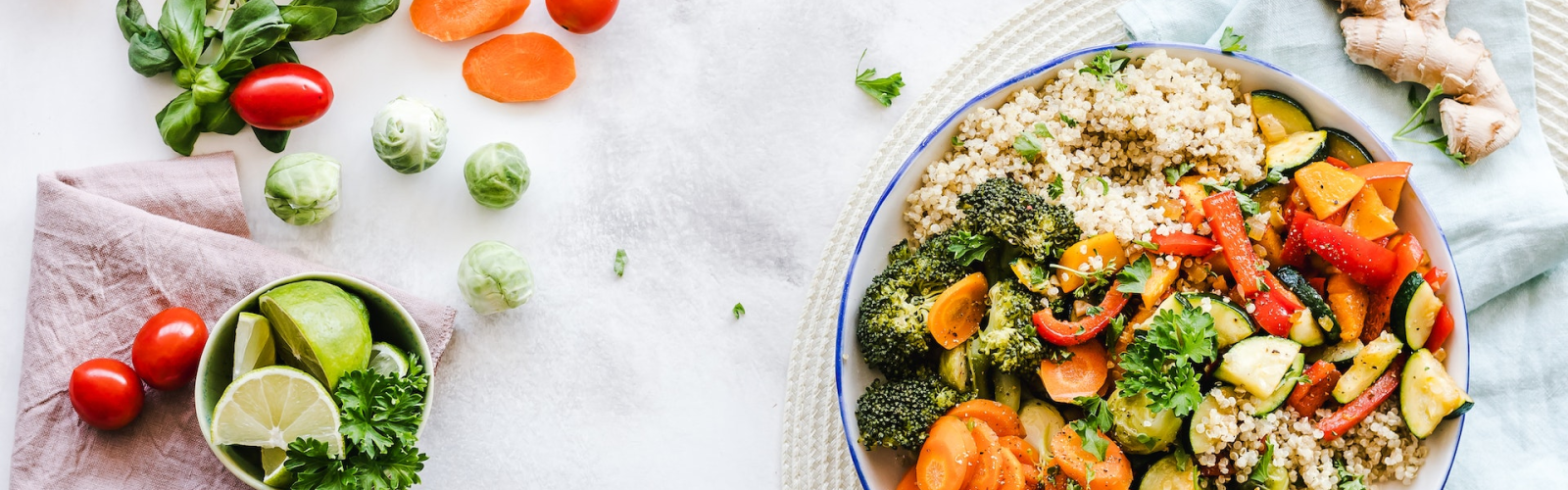
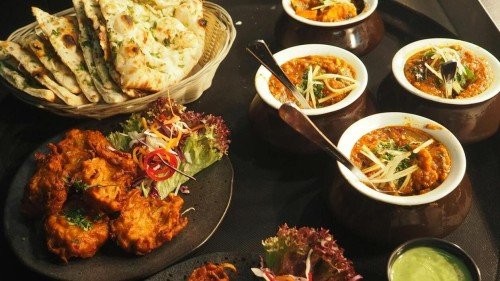
Every time you travel, you might notice something surprising: a familiar meal never tastes exactly the same. From a simple tomato pasta to fried chicken or a classic burger, the flavor, texture, and even the aroma can shift dramatically from one country—or even one city—to another. This isn’t just in your head. A fascinating mix of culture, climate, history, and human behavior quietly reshapes the plate in front of you, turning “the same dish” into countless regional variations.
1. Local Ingredients Change Everything
Even when a recipe looks identical on paper, the raw ingredients can be wildly different depending on where you are. Tomatoes grown in volcanic soil, wheat cultivated in a cooler climate, or chickens raised on different feed all influence taste. Local farming practices, soil quality, water, and even sunlight exposure shape the natural sweetness, acidity, and texture of foods. A pizza made with flour from northern Europe and mozzarella from Italy will never taste quite the same as one made with North American wheat and cheese from a local dairy.
These ingredient variations are amplified by the rise of farmer’s markets, regional supply chains, and local food regulations. Chefs and home cooks adapt, substituting what is easily available for what may be impossible or expensive to import. Over time, these substitutions become part of the “authentic” local version of the dish, even if they differ from the original.
For food entrepreneurs, caterers, and restaurant owners experimenting with regional flavors, small operational details matter as much as culinary exploration. Tools like a invoice generator help streamline billing and paperwork, freeing up time to focus on sourcing local ingredients, testing variations, and understanding how regional products shape the final taste of the dish.
2. Cultural Palates and Taste Preferences
Taste is not universal—it's cultural. In some countries, diners expect bold spice, heavy garlic, or strong sour notes. In others, subtlety and balance are valued more than intensity. Because of this, recipes are intentionally adjusted to fit local expectations. A dish that is sweet in one country might be saltier in another. Spice levels are a classic example: a “medium” curry in one place may be considered extremely mild or wildly hot somewhere else.
Childhood meals play a big role in shaping what “good food” means. Comfort foods and everyday dishes build a baseline expectation in people’s minds. When a classic dish travels abroad, chefs often soften or amplify certain flavors to match what local diners find comforting. This is how you end up with region-specific versions of the same international dish, each one perfectly tailored to the cultural palate.
3. Climate and Preservation Techniques
Climate has always influenced how people preserve and prepare food. In hot, humid regions, strong spices, pickling, and fermentation often developed as practical ways to keep food safe and tasty. In colder climates, smoking, salting, and curing became common. These preservation habits didn’t just protect food; they transformed its flavor and became an integral part of local cuisine.
When the same base recipe appears in different climates, these preservation methods can cause distinct flavor differences. A meat dish in a colder country might rely more on rich, salty, smoked elements, while a similar dish in a hotter region might be vibrant with fresh herbs, chili, and citrus. Over generations, these climate-driven choices evolve into defining characteristics of how dishes should “properly” taste.
4. Historical Trade Routes and Colonization
The journey of spices, grains, and cooking techniques along trade routes has permanently altered how dishes are prepared around the world. Ingredients like chili peppers, tomatoes, potatoes, and cacao were once native to specific regions, but now shape countless global cuisines. When these ingredients arrived in new lands, they fused with local products and traditions, changing traditional recipes beyond recognition.
Colonization and migration layered new flavors onto existing dishes, creating hybrids that later felt “traditional” to the next generation. This is why a dish with the same name can taste starkly different depending on where it is made—its history, shaped by trade and power, is literally cooked into it. The result is a complex web of culinary identities that trace back through centuries of exchange.
5. Regional Techniques and Kitchen Equipment
How food is cooked is just as important as what goes into it. The same ingredients prepared in a clay oven, a cast-iron pan, a tandoor, a wok, or a gas grill will not taste the same. Heat distribution, cooking temperature, and even the type of fuel (charcoal, gas, wood) dramatically change flavor and texture.
Traditional equipment often reflects local resources and habits. Wok-based stir-frying, slow braising in heavy pots, open-fire grilling, and steaming in bamboo baskets each bring out different qualities in the same dish. As recipes travel, they’re adapted to available equipment: a restaurant in one country might use an industrial oven where the original recipe called for a wood-fired clay oven. This subtle shift instantly changes the character of the meal.
6. Regulations, Standards, and Supply Chains
Food laws, import restrictions, and health regulations also shape how dishes are made. Some countries limit certain cheeses, cured meats, or raw ingredients. Others enforce strict rules around additives, preservatives, and hygiene standards that influence what can be served and how it must be processed.
Large-scale supply chains add another layer. When international restaurant chains expand, they must source ingredients from approved suppliers, often in bulk. This standardization helps keep menus recognizable, but it also means that certain signature flavors are subtly altered to fit available products, regulations, and cost constraints. As a result, your favorite “global” dish will align with local logistics as much as with its original recipe.
7. Personal Interpretation by Chefs and Home Cooks
Finally, every cook leaves a personal fingerprint on the dish. Some adjust spices for their own families, others adapt for dietary trends like vegan, gluten-free, or low-sodium eating. Professional chefs may push creativity, experimenting with plating, textures, or cross-cultural twists while still using a familiar dish name.
Once these personal adaptations prove popular, they quickly spread. A small tweak—extra herbs, a different oil, a shorter cooking time—can become a regional standard. Over time, people forget it was ever an adaptation, and the local version gains its own identity, distinct from how it is prepared elsewhere.
Conclusion: One Name, Many Stories on the Plate
When a dish appears to be the same around the world but tastes different, it is reflecting a complex story of geography, culture, history, and human creativity. Local ingredients, cultural taste preferences, climate, historical influences, cooking techniques, regulations, and personal interpretation all work together to reshape every recipe that crosses a border.
The next time you notice a familiar dish tasting unexpectedly new, you’re not just experiencing a different version of a recipe—you’re tasting the unique conditions and choices that define that place. Each bite carries the influence of the land, the people, and the journeys that brought those ingredients and ideas together on your plate.